How do you read a skincare ingredient list?
Largest amounts first, anything at 1% or less in any order, colours last. How to read an ingredient list in five steps, with our own labels as examples.
By Mystic Hollow Cosmetics, Henderson, Nevada Published 5 min read
Short answer
Read it top to bottom. Ingredients are listed from the largest amount to the smallest, so the first few tell you what a product mostly is. At 1 percent or less the order is free, and colour additives can come last in any order. Names follow one international system, INCI: “Mel” is honey and “Cera Alba” is beeswax.
Key takeaways
- US and EU rules both list cosmetic ingredients in descending order of amount.
- At 1 percent or less, ingredients may appear in any order, so a position near the end is only a rough guide.
- Colour additives may be listed in any order after everything else; a CI number identifies a pigment.
- INCI names are standard worldwide, often a Latin plant name with the common name in brackets.
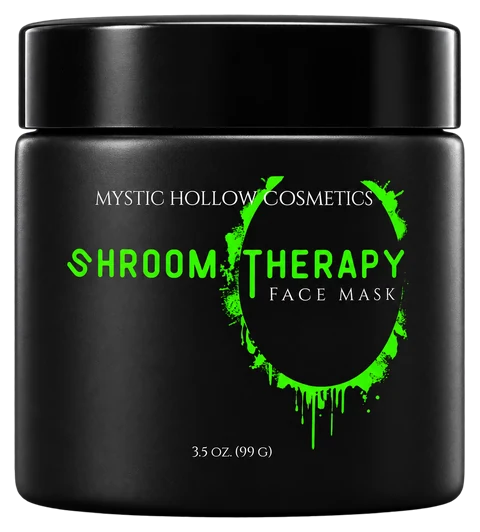
- An asterisk points to a footnote, such as the “*Organic” on Shroom Therapy’s mushrooms.
What order are ingredients listed in?
From most to least. FDA’s labeling rules require cosmetic ingredients to be declared in descending order of predominance. Ingredients present at 1 percent or less may follow in any order, and colour additives may be listed in any order after the rest. EU law sets the same order, by weight at the time each ingredient is added.
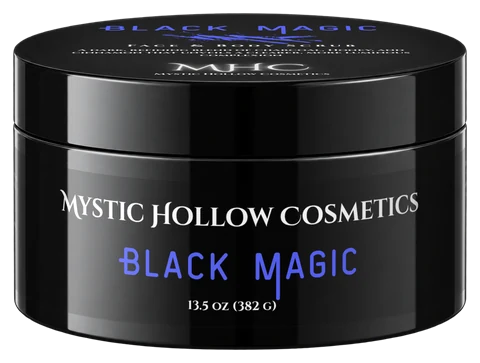
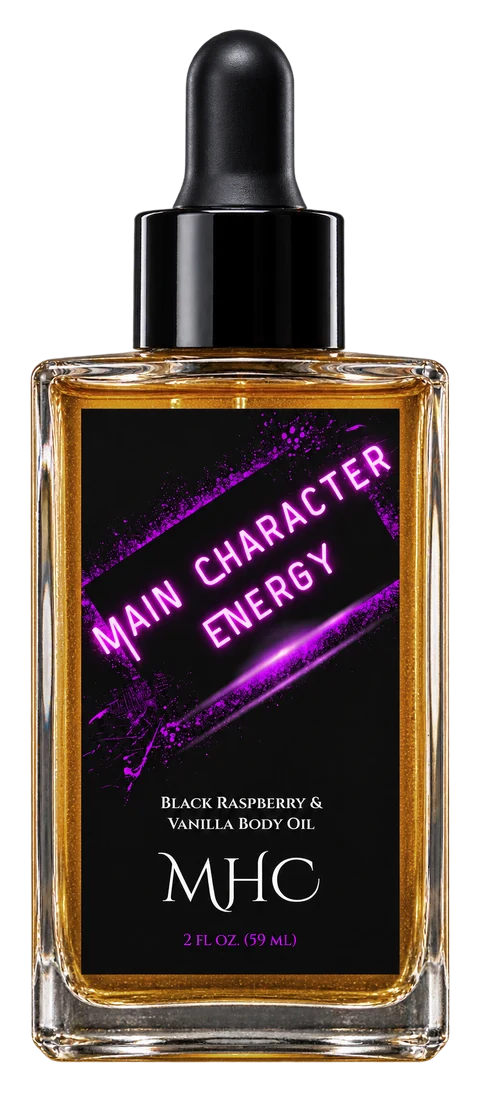
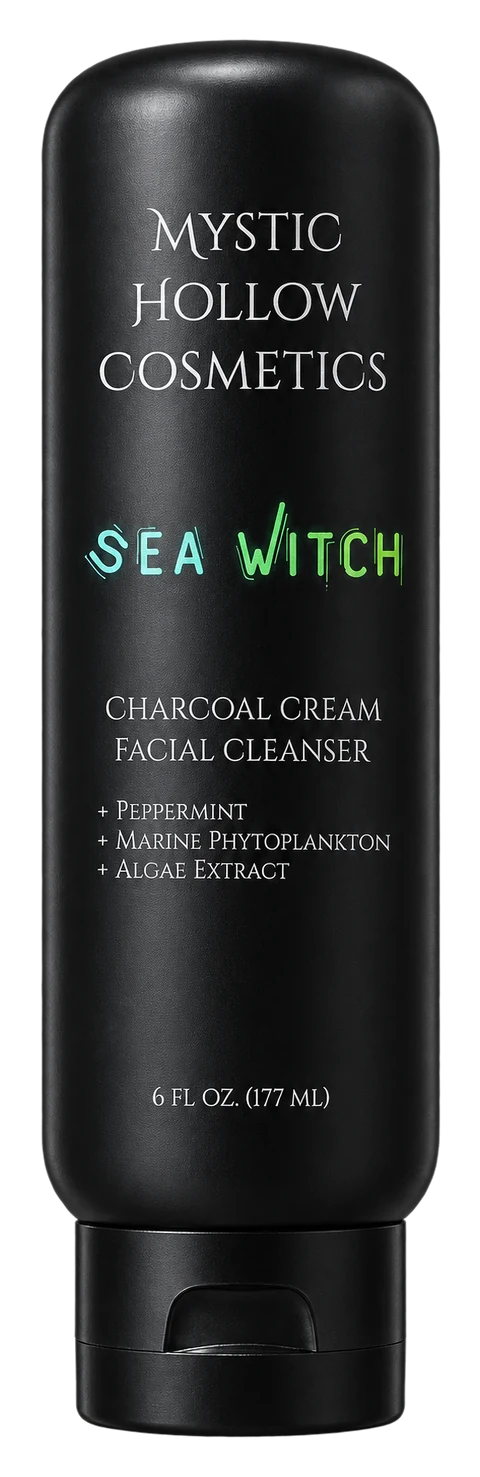
So the top of a list tells you what a product mostly is. Black Magic starts with sucrose and mel: it is mostly sugar, held together with honey. Main Character Energy starts with black raspberry seed and jojoba oils, then vanilla, then the minerals that make its shimmer. Sea Witch, Solar Plexus, Remember When and Avalon all start with water.
What does the end of the list tell you?
Less than you might think. No label marks where the 1 percent line falls, and below it the order is free. An ingredient near the end may be there in a tiny amount or a modest one, and the list can’t tell you which. Position is a rough guide, not a measurement.
What the end can tell you is what a formula leans on. In Sea Witch, peppermint oil is No. 16 and charcoal No. 19, there for scent, a cool feel and colour. The cleaning is led by coco-glucoside, second after water.
How do you decode INCI names?
INCI, the International Nomenclature of Cosmetic Ingredients, gives each ingredient one name used worldwide. EU law requires the common ingredient names in the European Commission’s glossary, which is built on INCI, and FDA’s rules point US labels to the same industry dictionary. Plant ingredients usually appear as the Latin genus and species and the part of the plant, with the common name in brackets.
| On the label | What it is | Where it appears |
|---|---|---|
| Mel (Honey) | Honey; mel is Latin for honey | Black Magic, second on the list |
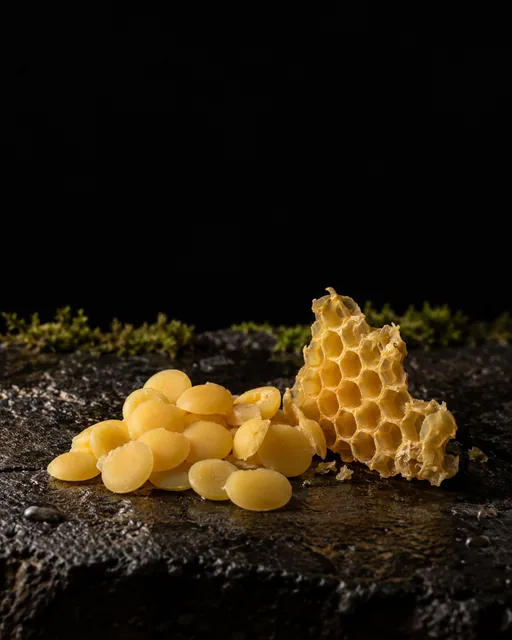
| Cera Alba (Beeswax) | Beeswax; cera alba is Latin for white wax | Avalon, No. 10 |
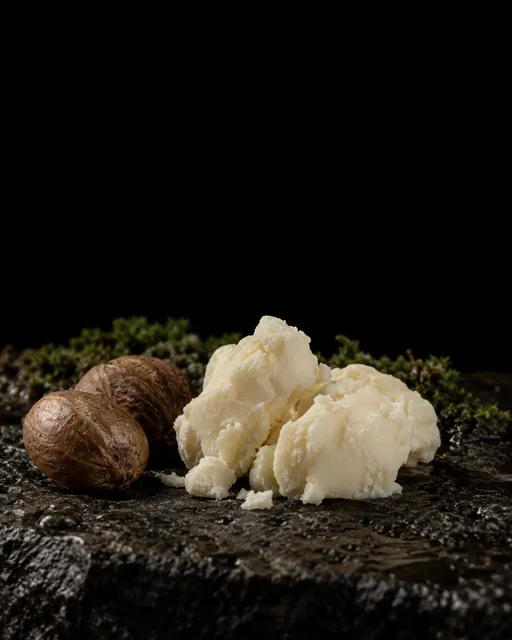
| Butyrospermum Parkii (Shea) Butter | Shea butter | Avalon, No. 7 |
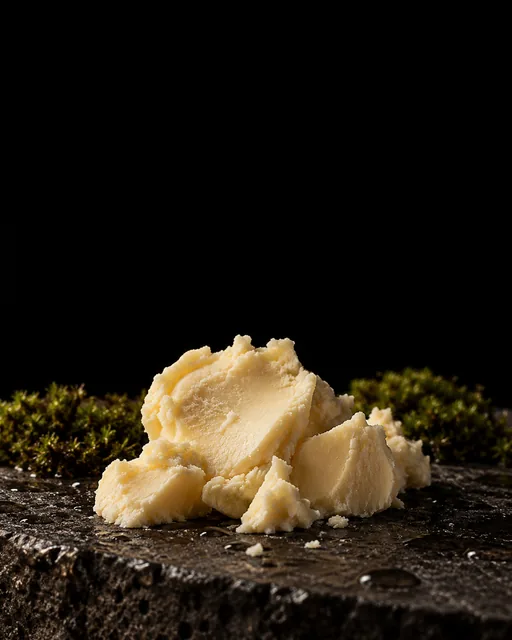
| Theobroma Grandiflorum Seed Butter | Cupuaçu butter, from a relative of cacao | Avalon, No. 5 |
| Limnanthes Alba (Meadowfoam) Seed Oil | Meadowfoam seed oil, from the seeds of a flowering plant | Black Magic, No. 4 |
| Cinnamomum Zeylanicum (Cinnamon) Bark Oil | Ceylon cinnamon bark oil, an essential oil; zeylanicum means “of Ceylon” | Black Magic, last |
| Aqua (Water) or Water (Aqua) | Water; both forms mean the same | First in Sea Witch, Solar Plexus, Remember When and Avalon |
| Vanilla Planifolia Fruit Water | A vanilla hydrosol | Remember When No. 2, Avalon No. 4 |
| Fluorphlogopite | Synthetic mica, made rather than mined | Main Character Energy, No. 4 |
| Titanium Dioxide (CI 77891) | A white mineral pigment; CI 77891 is its Colour Index number | Main Character Energy, No. 5 |
Every one of these, and every other ingredient in our formulas, has its own page: cupuaçu butter, vanilla fruit water and synthetic mica among them.
What do asterisks and footnotes mean?
An asterisk sends you to a footnote at the end of the list. On Shroom Therapy, every mushroom in its 25 mushroom complex carries one, and the footnote reads “*Organic”. FDA doesn’t define “organic” for cosmetics; the USDA’s National Organic Program sets the standard for agricultural ingredients. A footnote is part of the list. If it is missing, the asterisk tells you nothing.
How do you read a label in five steps?
Read the first few ingredients. They are present in the largest amounts, so they tell you what the product mostly is.
Look for what you avoid by its INCI name. Honey can appear as Mel, beeswax as Cera Alba and shea as Butyrospermum Parkii.
Check how it is scented. In the US a fragrance blend can be listed simply as “Fragrance”, and in the EU as “Parfum”. Essential oils are usually listed by plant name, such as Lavandula Angustifolia (Lavender) Oil. When one of our formulas contains fragrance, its list says so.
Read the footnotes. Asterisks and other symbols point to them, and they qualify the ingredients they mark.
Look up anything you don’t know. Every ingredient in our formulas has a page in the ingredient atlas: what it is, what it does, and where it sits on each list.
Is a shorter ingredient list better?
Not by itself. Remember When’s list is short. Shroom Therapy’s is long, because its 25 mushroom complex names every mushroom with its species. Length tells you how a formula is built, not how well it will suit your skin. What matters is what each ingredient is there to do, and whether anything on the list is something you react to.
Questions people ask
Are ingredients always listed in order of amount?
Down to 1 percent, yes, under both US and EU rules. Ingredients at 1 percent or less may follow in any order, and colour additives may be listed in any order after everything else.
What does “Aqua (Water)” mean on a label?
It is water. INCI uses “Aqua”, and many labels add “Water” in brackets or write “Water (Aqua)”. Our lists use both forms; they mean the same thing.
What does a CI number mean on an ingredient list?
CI stands for Colour Index, a numbering system for colourants. On Main Character Energy’s list, Titanium Dioxide (CI 77891), Iron Oxides (CI 77491) and Tin Oxide (CI 77861) are the mineral pigments behind its shimmer.
Why is honey listed as Mel?
INCI uses Latin names for many natural ingredients. Mel is Latin for honey, and Cera Alba, white wax, is beeswax. Many labels add the common name in brackets, as in Mel (Honey).
Sources
- Cosmetics Labeling GuideUS Food and Drug Administration
- Regulation (EC) No 1223/2009 on cosmetic products, Article 19 (labelling)EUR-Lex, European Union
- CosIng, the cosmetic ingredient databaseEuropean Commission
- “Organic” CosmeticsUS Food and Drug Administration
- Fragrances in CosmeticsUS Food and Drug Administration
How we write: we make every formula by hand, in small batches, in Henderson, Nevada, and product facts come from our own ingredient lists and product pages. General science is checked against the sources above, and we keep claims cosmetic. Nothing here is medical advice.
Shop this article
The formulas above, with every ingredient named and explained on each page.
Ingredients in this article

More from the journal
What does clean skincare really mean?
“Clean” has no legal definition for US cosmetics. Here’s exactly what it means at Mystic Hollow, from parabens to fragrance and mica, and how to check it.
Does a charcoal cleanser actually work?
Activated charcoal is porous and holds on to oil, but evidence for bigger claims is thin. What it does in Sea Witch and Black Magic, and what it can’t do.

Face mist vs toner: what’s the difference?
A toner follows cleansing. A face mist hydrates any time, and in our routines it’s the last step, the seal. How they differ, and where Remember When fits.