What do mushrooms do in skincare?
Mushrooms are rich in water-holding beta-glucans and in antioxidants like ergothioneine. What the 25 mushroom complex brings to Shroom Therapy.
By Mystic Hollow Cosmetics, Henderson, Nevada Published 7 min read
Short answer
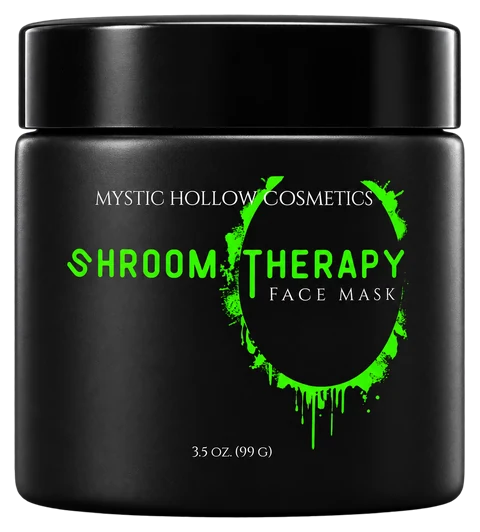
Mushrooms bring two gifts to skincare: beta-glucans, natural sugars that hold water and leave skin soft and smooth, and antioxidants such as ergothioneine and polyphenols. Reishi and cordyceps have been treasured in traditional medicine for centuries and are often called adaptogens today. Shroom Therapy pairs its 25 mushroom complex with mineral clays in a dry powder you mix fresh.
Key takeaways
- Mushrooms are rich in beta-glucans, natural sugars that hold water and leave skin feeling soft and smooth.
- They’re also among the richest food sources of the antioxidants ergothioneine and glutathione; in a Penn State study of 13 species, porcini had by far the most ergothioneine.
- Reishi and cordyceps have been treasured in traditional medicine for centuries, and today they’re often called adaptogens.
- Shroom Therapy is a dry powder, so it needs no preservative: you mix each mask fresh with warm water.
- Expect skin that looks clearer and feels soft. A little redness right after is normal and fades within about 30 minutes.
Why put mushrooms in a face mask?
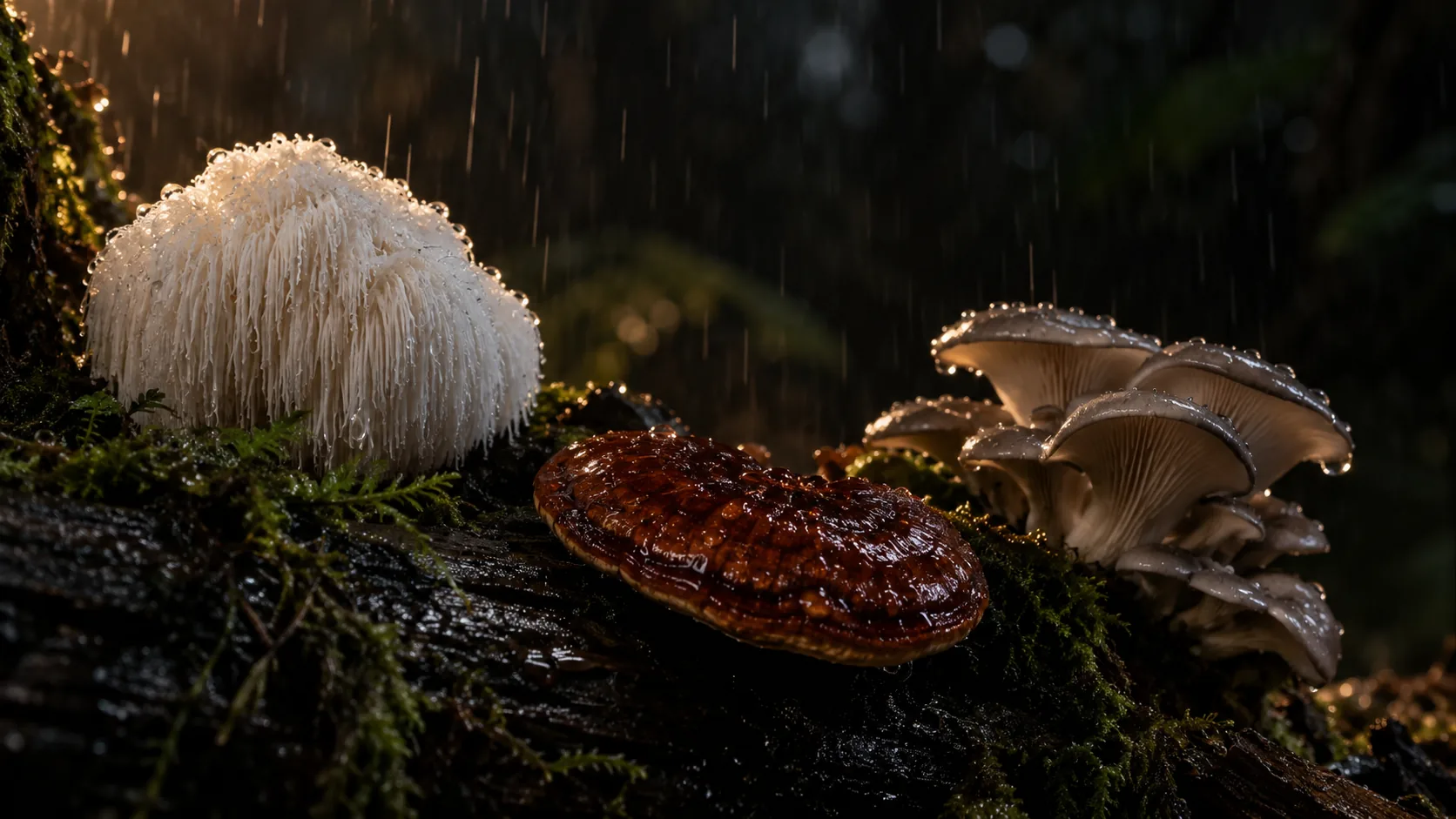
Because few things in the forest are as quietly remarkable. Mushrooms are fungi, not plants. They build their cell walls from long chains of sugar, chitin and beta-glucans among them, and they make their own pigments and antioxidants. People have cooked with them and valued them in traditional medicine for centuries.
They have a place in beauty, too. Reishi, maitake, chaga, shiitake, turkey tail and tremella all appear in cosmetics or cosmetic patents, and reishi has been used in Japanese skincare since the 1980s. Shroom Therapy gathers that tradition into one mask: a 25 mushroom complex, every mushroom named on the list with its species, set in mineral clays.
What do mushroom beta-glucans do on skin?
They hold water. Beta-glucans are long, water-loving sugar chains, and a 2025 review in Food Science & Nutrition describes them forming a dense film on the skin that retains moisture and slows water loss. That’s why they’re prized in moisturizing skincare, and in Shroom Therapy they’re part of why skin feels soft after you rinse.
Tremella, the snow mushroom, shows how much water a mushroom can hold. Its polysaccharides are so good at it that tremella has become a favourite in hydrating skincare. In a small 2021 study of 20 volunteers, a hand gel made with snow mushroom extract kept skin more moisturized than a placebo gel for the full three hours measured. Researchers are still exploring what else it can do, mostly in the lab so far.
Are mushrooms rich in antioxidants?
Remarkably so. Mushrooms are among the richest food sources of two antioxidants, ergothioneine and glutathione. When Penn State researchers measured 13 species in 2017, porcini had by far the most ergothioneine, and even everyday white button mushrooms had more of these antioxidants than most other foods. The same team has found that shiitake, oyster and maitake carry about three to four times as much ergothioneine as button mushrooms. Every one of these is in Shroom Therapy.
Researchers are curious about ergothioneine for skin, too: skin cells carry a dedicated transporter for it, especially in the epidermis, the skin’s outer layer. That work is still mostly in the lab.
Other mushrooms bring antioxidants of their own. Chaga, the dark growth found on birch trees, is rich in them, and its colour comes from natural melanin pigments that show antioxidant activity in lab tests. Meshima carries hispidin, a potent antioxidant in lab studies, and turkey tail holds dozens of phenolic compounds.
These measurements are of the mushrooms themselves, in food and in the lab. On your skin, Shroom Therapy is a rinse-off mask, so we describe what you’ll see and feel: skin that looks clearer and feels soft.
What are adaptogens?
“Adaptogen” is a term coined in the 1940s by the Soviet scientist N. V. Lazarev for natural substances thought to raise the body’s general resistance to stress. Some mushrooms were treasured long before the word existed. Reishi, lingzhi in Chinese, has been renowned in China for more than 2,000 years. Cordyceps has a long tradition in Asian medicine for its tonic, adaptogenic reputation, and poria has been part of traditional Chinese medicine for over 2,000 years. Chaga has its own folk history: it has been used in Eastern Europe since the 12th century.
It’s a traditional idea about the whole body. Europe’s medicines regulator accepts it for traditional herbal medicines rather than as a clinical term, and it describes tonics taken by mouth, not anything a face mask does. We love the history it carries. On your skin, these mushrooms bring something you can feel: polysaccharides that hold water, and antioxidants.
Which mushrooms are in Shroom Therapy?
The ingredient list names every mushroom in the 25 mushroom complex with its species, and marks each one with an asterisk; the footnote reads “*Organic”. They follow the clays, from lion’s mane at No. 4 to clamshell at No. 28, with cinnamon bark last. Here are some of them, and what each is known for.
| Mushroom | Species on the list | Known for |
|---|---|---|
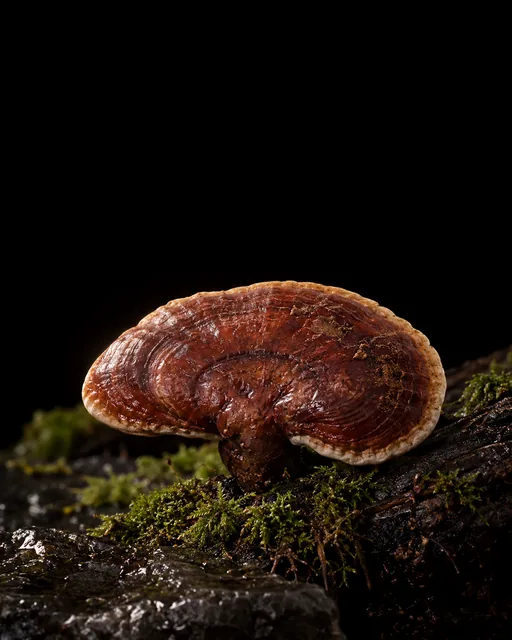
| Reishi | Ganoderma lingzhi | Triterpenes called ganoderic acids, studied in skincare formulas; renowned in China for more than 2,000 years |
| Cordyceps | Cordyceps militaris | Cordycepin, polysaccharides and ergothioneine; a tonic with a long tradition in Asian medicine |
| Poria cocos | Wolfiporia extensa | Triterpenes and polysaccharides; part of traditional Chinese medicine for over 2,000 years |
| Chaga | Inonotus obliquus | Antioxidants and dark melanin pigments; a folk remedy in Eastern Europe since the 12th century |
| Meshima | Phellinus linteus | Hispidin, a potent antioxidant in lab studies |
| Lion’s mane | Hericium erinaceus | Polysaccharides, terpenes called hericenones and erinacines, and antioxidant phenolics |
| Turkey tail | Trametes versicolor | Dozens of phenolic compounds with antioxidant activity in lab tests |
| Tremella, the snow mushroom | Tremella fuciformis | Polysaccharides that hold water; a favourite in hydrating skincare |
| Porcini | Boletus edulis | The most ergothioneine of 13 species in a Penn State study |
| Shiitake, oyster, king trumpet, maitake | Lentinus edodes, Pleurotus ostreatus, Pleurotus eryngii, Grifola frondosa | Rich in ergothioneine, several times more than white button mushrooms |
Every mushroom on the list has its own page in the mushroom complex, with its species and where it sits on the list.
Why is Shroom Therapy a powder?
Microbes need available water to grow. The international guideline for cosmetic microbiology, ISO 29621, treats products with very low water activity as low risk for microbial contamination. A dry powder has very little available water, which is why Shroom Therapy needs no preservative.
It also means every mask is made fresh, by you. Mix a tablespoon of the powder with a teaspoon or two of warm water into a smooth paste, using a dry spoon, and keep water out of the jar. Mix only what you’ll use: once water is in, nothing keeps the paste fresh.
What do the clays do?
The mushrooms sit in mineral clays, listed first: illite and montmorillonite, bentonite and Moroccan lava clay, also sold as rhassoul. Clay particles are fine and absorbent, and a 2024 review in Archives of Dermatological Research describes bentonite and montmorillonite absorbing excess oil. As the mask sets, the clays lift oil and surface buildup, so skin looks clearer and feels refreshed.
How do you use a mushroom mask?
Once a week, in place of your scrub. Spread the paste over your face and leave it on for about 15 to 20 minutes while it sets. To take it off, wet a washcloth with warm water and press it to your face: the water rehydrates the dried clay so it wipes away easily. Then cleanse and finish your routine; our night routine shows where it fits.
Your skin may look a little red for a while afterwards. That’s normal: it fades within about 30 minutes, and it’s the mask doing its job. What stays is skin that looks clearer and feels soft. Because the mask contains cinnamon bark, patch test first if your skin is sensitive.
Questions people ask
Do mushrooms in skincare actually work?
Yes, at what a mask is made to do. Mushroom polysaccharides such as beta-glucans hold water and leave skin feeling soft and smooth; in a small 2021 study, a hand gel with snow mushroom extract kept skin more moisturized than a placebo for three hours. Mushrooms are also naturally rich in antioxidants like ergothioneine, and scientists are still discovering what they can do on skin.
Are mushrooms adaptogens?
Some are called that. “Adaptogen” is a term from the 1940s for natural substances thought to raise the body’s resistance to stress, and reishi and cordyceps, treasured in traditional medicine for centuries, are often counted among them. It’s a traditional, whole-body idea; on the skin, what mushrooms bring is water-holding polysaccharides and antioxidants.
Which mushroom has the most antioxidants?
Of 13 species measured by Penn State researchers, porcini had by far the most ergothioneine. Shiitake, oyster and maitake also carry about three to four times as much ergothioneine as white button mushrooms. All of them are in Shroom Therapy.
Is it normal for skin to look red after Shroom Therapy?
Yes. It can leave skin a little red when you take it off. That’s normal: it fades within about 30 minutes, and it’s the mask doing its job.
Why does Shroom Therapy need no preservative?
It’s a dry powder. With no water in the jar there is very little for microbes to grow in. Once you add water the paste has no protection, so mix only what you’ll use.
Are the mushrooms in Shroom Therapy organic?
The ingredient list marks every mushroom with an asterisk, and the footnote reads “*Organic”. We repeat the footnote as the list gives it. the certificates behind “*Organic”
Sources
- The fungal cell wall: structure, biosynthesis, and function (Gow, Latgé and Munro)Microbiology Spectrum, 2017
- Mushroom cosmetics: the present and future (Wu et al.)Cosmetics, 2016
- Fungi: an unusual source for cosmetics (Hyde, Bahkali and Moslem)Fungal Diversity, 2010
- Exploring the properties and application potential of β-glucan in skin care (Feng et al.)Food Science & Nutrition, 2025
- Formulation and efficacy evaluation of the safe and efficient moisturizing snow mushroom hand sanitizer (Lourith et al.)Journal of Cosmetic Dermatology, 2021
- The potential cutaneous benefits of Tremella fuciformis (Mineroff and Jagdeo)Archives of Dermatological Research, 2023
- Mushrooms: a rich source of the antioxidants ergothioneine and glutathione (Kalaras et al.)Food Chemistry, 2017
- Micronutrients and bioactive compounds in mushrooms (Beelman, Kalaras and Richie)Nutrition Today, 2019
- Safe and effective antioxidant: the biological mechanism and potential pathways of ergothioneine in the skin (Liu et al.)Molecules, 2023
- Inonotus obliquus: from folk medicine to clinical use (Szychowski et al.)Journal of Traditional and Complementary Medicine, 2021
- A review on the cultivation, bioactive compounds, health-promoting factors and clinical trials of medicinal mushrooms Taiwanofungus camphoratus, Inonotus obliquus and Tropicoporus linteus (Tee et al.)Fungal Biology and Biotechnology, 2024
- The lignicolous fungus Trametes versicolor (L.) Lloyd (1920): a promising natural source of antiradical and AChE inhibitory agents (Janjušević et al.)Journal of Enzyme Inhibition and Medicinal Chemistry, 2017
- Lion’s mane mushroom (Hericium erinaceus): a narrative review (Contato and Conte-Junior)Nutrients, 2025
- The potential of Ganoderma lucidum extracts as bioactive ingredients in topical formulations, beyond its nutritional benefits (Taofiq et al.)Food and Chemical Toxicology, 2017
- Species clarification of the prize medicinal Ganoderma mushroom “Lingzhi” (Cao, Wu and Dai)Fungal Diversity, 2012
- Cordyceps militaris: an overview of its chemical constituents in relation to biological activity (Jędrejko, Lazur and Muszyńska)Foods, 2021
- Phytochemistry and pharmacological activities of Wolfiporia cocos (Nie et al.)Frontiers in Pharmacology, 2020
- A preliminary review of studies on adaptogens: comparison of their bioactivity in TCM with that of ginseng-like herbs used worldwide (Liao, He and Li)Chinese Medicine, 2018
- Reflection paper on the adaptogenic concept (EMEA/HMPC/102655/2007)European Medicines Agency, Committee on Herbal Medicinal Products, 2008
- The potential cutaneous benefits of bentonites and montmorillonites (Zafar et al.)Archives of Dermatological Research, 2024
- ISO 29621:2017 Cosmetics, Microbiology: guidelines for the risk assessment and identification of microbiologically low-risk productsInternational Organization for Standardization
- “Organic” CosmeticsUS Food and Drug Administration
- How to test skin care productsAmerican Academy of Dermatology
How we write: we make every formula by hand, in small batches, in Henderson, Nevada, and product facts come from our own ingredient lists and product pages. General science is checked against the sources above, and we keep claims cosmetic. Nothing here is medical advice.
Shop this article
The formulas above, with every ingredient named and explained on each page.
Ingredients in this article
 ReishiReishi* (Ganoderma lingzhi)
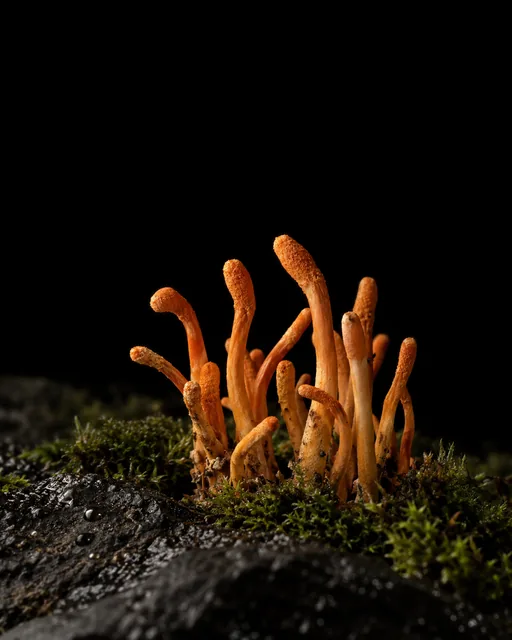 CordycepsCordyceps* (Cordyceps militaris)
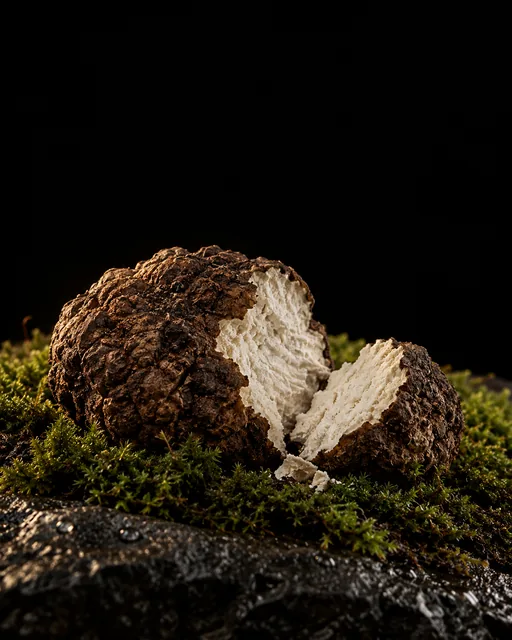 Poria cocosPoria Cocos* (Wolfiporia extensa)
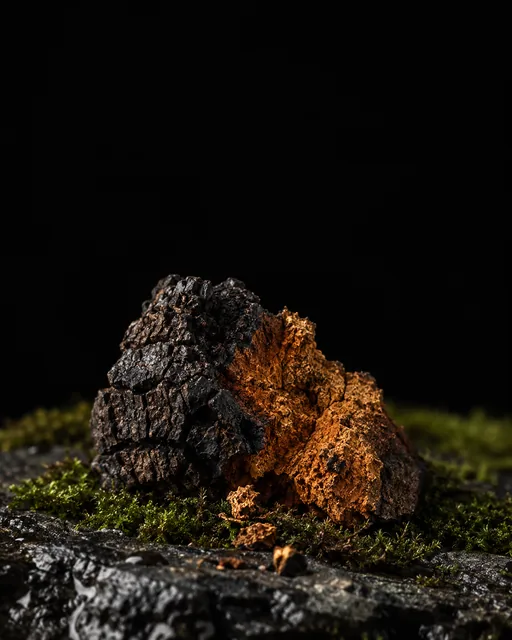 ChagaChaga* (Inonotus obliquus)
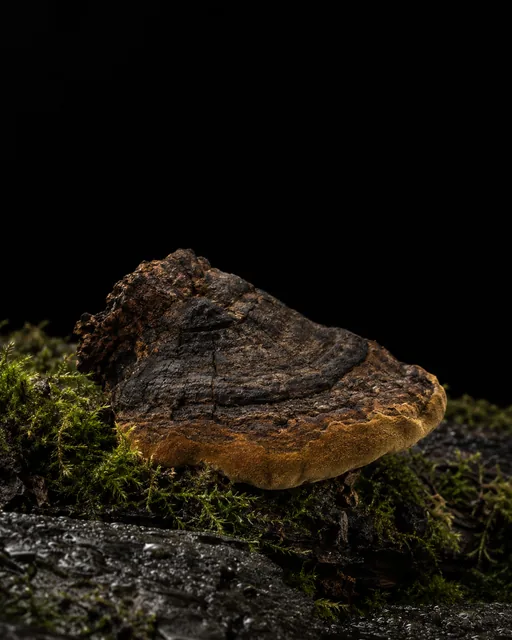 MeshimaMeshima* (Phellinus linteus)
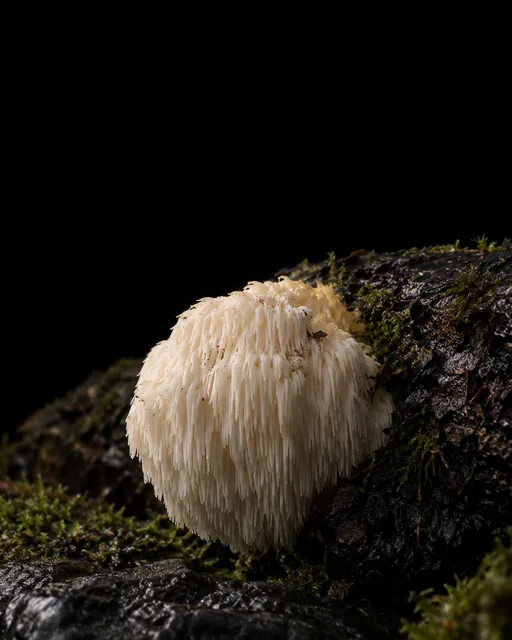 Lion's maneLion’s Mane* (Hericium erinaceus)
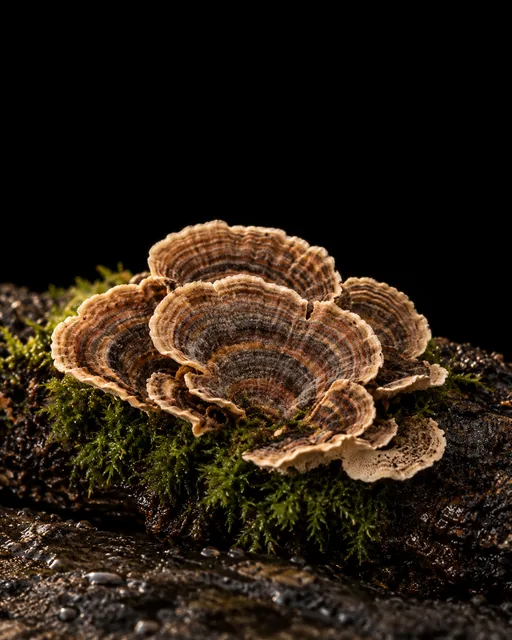 Turkey tailTurkey Tail* (Trametes versicolor)
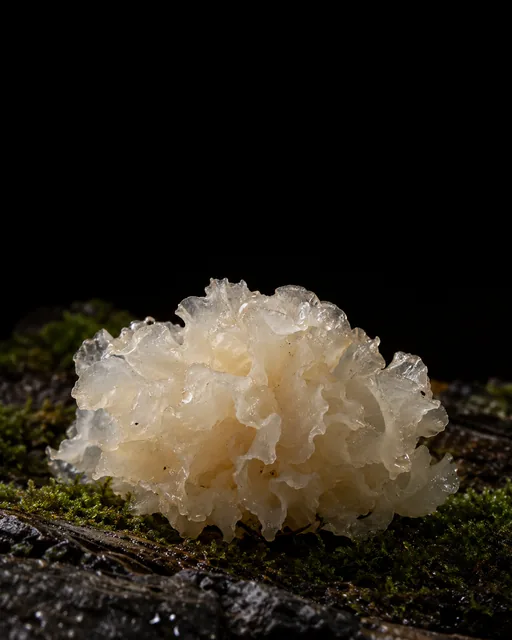 Tremella/snow mushroomTremella/Snow Mushroom* (Tremella fuciformis)
More from the journal
Does a charcoal cleanser actually work?
Activated charcoal is porous and holds on to oil, but evidence for bigger claims is thin. What it does in Sea Witch and Black Magic, and what it can’t do.
What does clean skincare really mean?
“Clean” has no legal definition for US cosmetics. Here’s exactly what it means at Mystic Hollow, from parabens to fragrance and mica, and how to check it.
Face mist vs toner: what’s the difference?
A toner follows cleansing. A face mist hydrates any time, and in our routines it’s the last step, the seal. How they differ, and where Remember When fits.